Display worked. Timer counted down. Fan and turntable ran. Food stayed cold. Magnetron diagnosed as the failed component. Repaired same day.
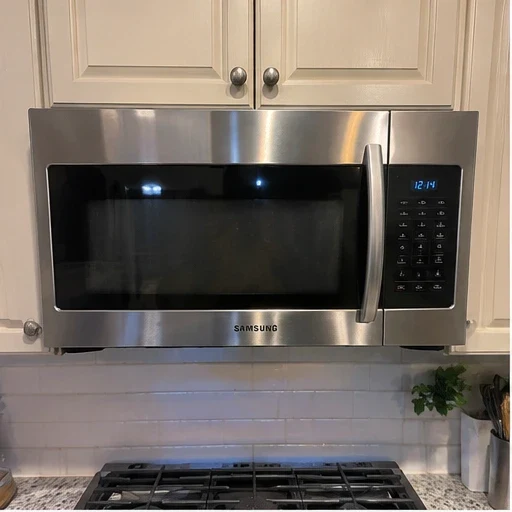
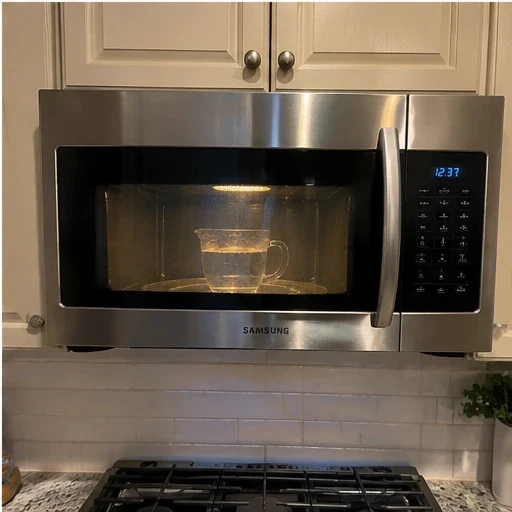
The microwave looked normal. The display worked. The timer counted down. The fan ran. The turntable moved. But the food stayed cold. This Samsung ME21M706BAS/AA-00 over-the-range microwave had a "runs but does not heat" complaint in Charlotte.
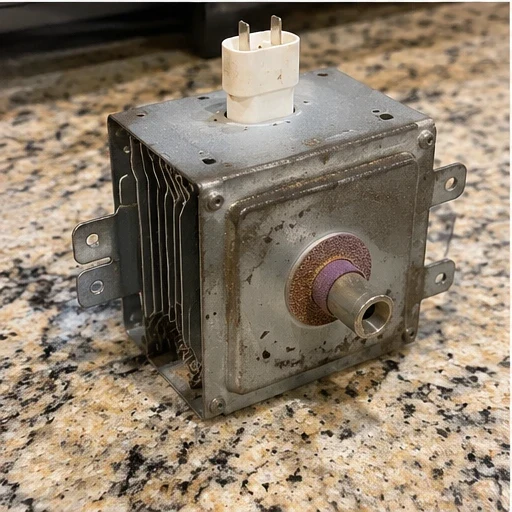
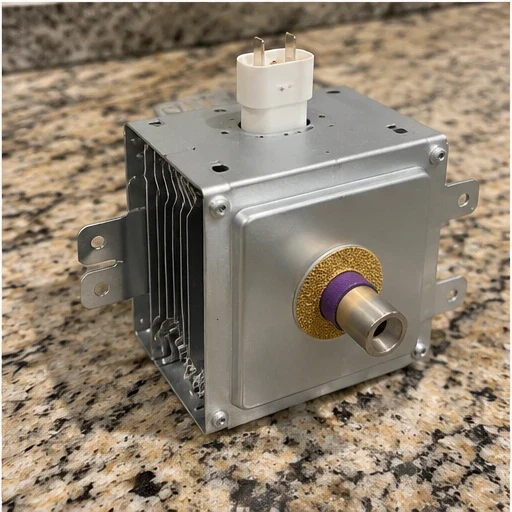
Running and heating are two different things. A working display, fan and turntable do not prove the high-voltage heating circuit is functioning. In this case, the high-voltage circuit was diagnosed and the magnetron was confirmed as the failed component. The repair was completed the same day using replacement magnetron OM75P-21-ESGN.
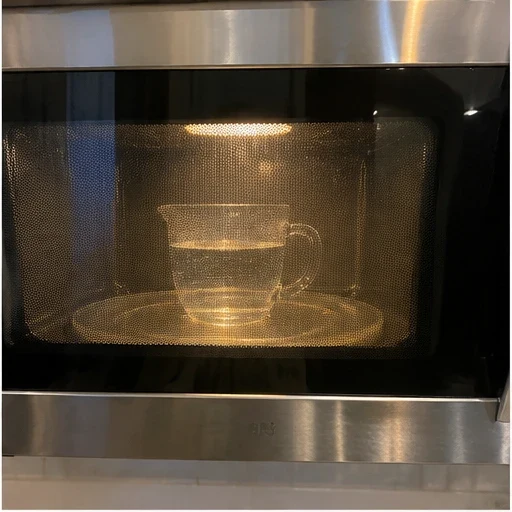
Every outward sign pointed to a working microwave. The display was on. Cooking mode started normally. The timer counted down in real time. The interior light was on. The turntable rotated. The ventilation fan ran. By all appearances, the appliance was functioning.
The food stayed cold.
The microwave was running. The heating circuit was not. A microwave can look completely alive and still produce no microwave energy.
"A microwave can look completely alive and still produce no microwave energy."
A microwave has several separate systems. The user interface, the interior light, the turntable motor and the ventilation fan can all operate independently of the high-voltage heating circuit that actually generates microwave energy.
When the heating circuit fails, the rest of the appliance continues to respond normally. A cycle starts, the timer runs, the fan comes on, and the machine behaves exactly as expected until you notice the food is still cold. The symptom looks like a normal running microwave because most of it is still working.
Several components in the high-voltage system can fail and produce the same no-heat complaint. The magnetron is one of them:
The symptom identifies the system to inspect. Diagnosis identifies the failed part.
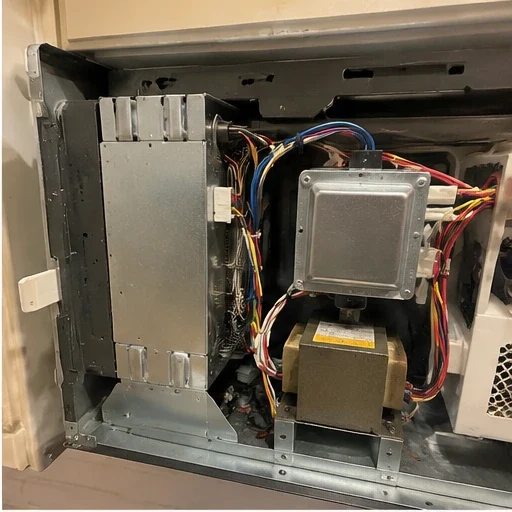
The microwave's normal control functions did not explain the no-heat complaint. The unit started, timed, and ran its accessory systems correctly. The issue was in the heating circuit. Professional diagnosis of the high-voltage system isolated the magnetron as the failed component.
With the magnetron confirmed as the failed component, the repair was a direct replacement. No other high-voltage component was found to be at fault on this service call.
Microwave high-voltage systems operate at voltages that can be lethal. The high-voltage capacitor can retain a dangerous charge even after the microwave has been unplugged. Magnetron replacement is not a DIY repair. This work requires proper discharge procedures, professional high-voltage handling, and post-repair operational and microwave leakage testing before the unit returns to service.
The magnetron is the component that generates microwave energy. It is part of the high-voltage system and is responsible for converting electrical energy into the microwave radiation that heats food. When it fails, the oven section of the microwave produces no heat, regardless of what the display and controls are doing.
The replacement magnetron used in this case was OM75P-21-ESGN. Reference part price at the time of this repair: $142.57. Retail pricing can change by supplier and availability.
Multiple components work together to produce microwave energy. A no-heat complaint can involve any of them:
Several components participate in making heat. Replacing the magnetron without diagnosis is guessing.
Once the magnetron was confirmed as the failed component, the repair followed a professional high-voltage service sequence.
This is an over-the-range microwave mounted under a cabinet. Access to the internal high-voltage section is significantly more involved than a countertop unit sitting on a table. Depending on installation, accessing the microwave assembly may require repositioning the unit. High-voltage safety procedures -- including capacitor discharge before any internal contact -- add time that a simpler repair does not require. Post-repair leakage testing is also part of responsible microwave service.
The labor on this repair was $225. That reflects the access difficulty, the safety requirements and the testing involved, not just the time to swap a part.
This total applies to this specific confirmed magnetron repair scenario. Another ME21M706BAS with the same no-heat symptom may require a different component and a different repair price.
This is an over-the-range microwave, not a $120 countertop unit. Replacing it is not just buying a new microwave -- it also means removal of the existing unit, a new appliance, installation, cabinet and mounting fit, and vent alignment. That total can easily exceed the cost of a single-component repair.
For a ME21M706BAS with an isolated magnetron failure and no other problems, $456.57 is a reasonable decision to evaluate against the full cost of replacement plus installation.
The math changes if the unit is old, has multiple system failures, door or cavity damage, a control board that also needs repair, or if the replacement cost including installation is close to or below the repair cost.
This page describes a specific Samsung ME21M706BAS repair scenario. The same symptom on another microwave may have a different cause, part requirement and repair price.
Several components in the microwave high-voltage circuit can fail and cause a no-heat complaint while the rest of the appliance appears to operate normally. Possible causes include the magnetron, high-voltage diode, capacitor, transformer, door-switch or control relay. Diagnosis is required to find which one.
The replacement magnetron used in this case was OM75P-21-ESGN. Always confirm compatibility with the full model and serial number before ordering.
OM75P-21-ESGN is the magnetron used in the Samsung ME21M706BAS repair described on this page. The magnetron is the component that generates microwave energy to heat food.
Yes. The turntable motor, fan, interior light and display operate independently of the high-voltage heating circuit. A failed magnetron does not stop those systems from running normally.
No. A no-heat complaint can involve the diode, capacitor, transformer, door switch, control relay or wiring. Not every microwave that stops heating needs a magnetron. Diagnosis determines which component has failed.
For this specific ME21M706BAS repair the total was $456.57, including service call ($89), magnetron ($142.57) and labor ($225). A different microwave or a different failed component will have a different cost.
Often yes, compared to the combined cost of a new unit plus removal and installation. The decision depends on the age of the unit, the scope of the repair, and whether any other systems have also failed.
No. Microwave high-voltage systems can be dangerous even after the unit is unplugged. The high-voltage capacitor retains a charge that can cause serious injury. This repair requires professional handling and post-repair leakage testing.
If the microwave starts normally but food stays cold, the issue is in the heating circuit. It may be the magnetron. It may be another high-voltage component. The useful first step is identifying the failed part before replacing anything. HomeHeroes diagnoses and repairs Samsung microwaves in Charlotte, same day.
← View All Repair Cases
One call connects you to every trade. Book online or call now — most Charlotte appointments confirmed within minutes.
7 DAYS A WEEK · 8AM–7PM · EMERGENCY LINE AVAILABLE